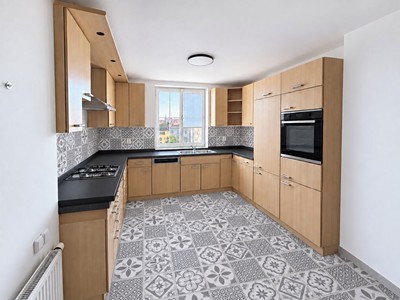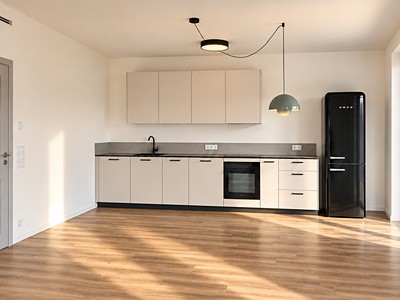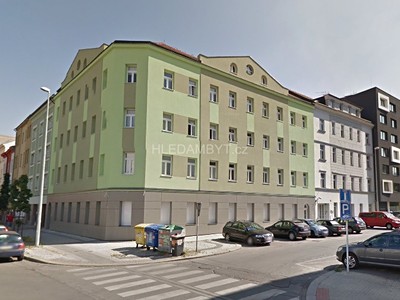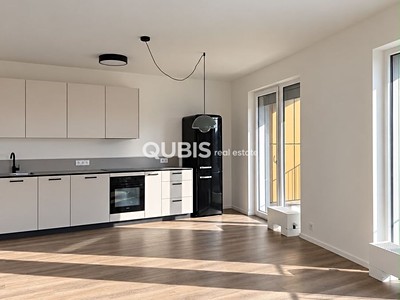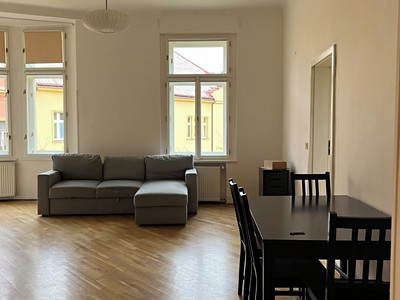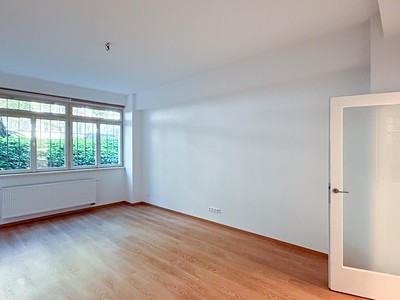
Renting in Prague means two numbers every month, not one: the rent the landlord keeps, and the charges for the building's services, paid on top. Add a deposit, perhaps an agency's fee and a settlement once a year, and a flat that looked affordable on the listing can cost a good deal more. This guide goes through each part, what Czech law says about it and where to see what flats cost right now.
Rent and charges: the two numbers you pay
A Czech listing usually shows the rent (nájem) and, separately, the charges (poplatky): the advances for the services the building provides, such as heating and hot water, water and sewage, the lift, and the cleaning and lighting of the shared parts. Electricity, and gas where the flat has it, are usually in your own name and billed by your supplier.
That split matters when you compare. A flat with a lower rent and high charges can cost more each month than one with a higher rent and low charges. Bytky adds the rent, the charges and any other monthly costs the listing states into one total a month, so two flats compare like for like.
Here is Prague's market at a glance, from every listing Bytky tracks today:
What a two-room flat costs right now
Most people searching in Prague look at a two-room flat: a 2+kk (two rooms and a kitchenette) or a 2+1 (two rooms and a separate kitchen). The chart follows the median monthly total of those flats across the city, rent plus charges, since Bytky began recording it.
A median hides a wide range. The district, the floor area, the state of the flat and whether it comes furnished all move the price. These are the two-room flats in Prague that ask the least against what similar flats nearby ask:
The money you pay before you move in
Before you get the keys, you usually pay three things: the first month's rent and charges, the deposit and, if an agency lets the flat, its fee.
| Payment | How much | Do you get it back? |
|---|---|---|
| Deposit (kauce) | At most three months' rent1 | Yes, at the end of the lease, less anything you owe |
| First month's rent and charges | As the listing states | No |
| Agency fee | As the listing states | No |
The deposit covers unpaid rent and damage beyond normal wear and tear. When the lease ends, the landlord returns it with interest, after taking off anything you owe.1 Bytky shows the deposit and the agency's fee beside every listing's monthly total, so you know the whole amount before you call.
The yearly settlement of charges
The charges you pay each month are advances, not a final price. Once a year, the landlord sets them against what the services really cost and sends you a settlement (vyúčtování).2 If your advances came to more than the real cost, you get the difference back. If they came to less, you pay it.
A cold winter, or a household that takes long showers, can turn a refund into a bill. Before you sign, ask what last year's settlement came to for the flat, and whether the advances were changed after it.
When the rent can rise, and how to leave
Your contract decides how the rent can change. Many set a yearly increase, often tied to inflation. If your contract says nothing about it, the landlord can propose a rise up to what's usual for similar flats in the area, but by no more than 20 % over three years.3
A lease for a fixed term ends on its date. One for an indefinite term ends with notice, given in writing. The usual notice period is three months, counted from the first day of the month after the notice arrives. Read the contract for anything that differs, and keep a copy of every notice you send.
Find your flat on the map
The map shows every flat to rent in Prague 2, with the quick filters from Bytky's own map, like New this week and Price cut. Click a pin for a quick look at the listing, its total monthly cost and its fair price.
Is the deposit the same as the first month's rent?
No. The landlord holds the deposit and returns it at the end of the lease, less anything you owe. It can be at most three months' rent. The first month's rent pays for living in the flat.
Do I pay the charges on top of the rent?
Yes. The charges are monthly advances for the building's services, paid on top of the rent and settled once a year against the real cost. Electricity, and gas where there is gas, are usually billed to you directly.
How much can the landlord raise the rent?
As your contract says. If it says nothing, the landlord can propose a rise up to what's usual in the area, but by no more than 20 % over three years.
How do I know whether a rent is fair?
Compare it with what similar flats nearby ask. Bytky does that for every listing and gives it a verdict, from Good deal to Pricey, with the list of flats behind it.